Surgical Care
Diabetic Wound Management
Summary: Advanced clinical care at SDM Hospital dedicated to accelerating wound healing, controlling infections, and preventing serious complications like tissue damage and amputation for diabetic patients.
The Department of Endocrinology and Wound Care at SDM Hospital offers a comprehensive, multi-disciplinary approach to Diabetic Wound Management. Individuals with diabetes are at a significantly higher risk for developing slow-healing sores and ulcers, particularly on the lower limbs and feet. Our specialized medical team focuses on aggressive, proactive treatment protocols designed to stimulate rapid healing, control infections, and critically minimize the risk of severe tissue damage and surgical amputation.
Our clinical wound management protocol involves an array of advanced medical interventions:
- Comprehensive Assessment & Debridement: Detailed evaluation of wound depth, accompanied by the careful removal of unhealthy or dead tissue to stimulate natural cellular regeneration.
- Advanced Infection Control: Using specialized cleaning, sterile medical dressings, and targeted antimicrobial therapies to prevent or eliminate bacterial infections.
- Off-Loading & Pressure Relief: Utilizing specialized footwear, casts, or support devices to redistribute body weight away from the wound area, allowing the delicate tissue to heal undisturbed.
- Systemic Optimization: Collaborating closely with diabetologists to maintain optimal blood glucose levels, assess arterial blood circulation, and deliver tailored nutritional guidance—all of which are essential pillars for repairing slow-healing ulcers.
Frequently Asked Questions
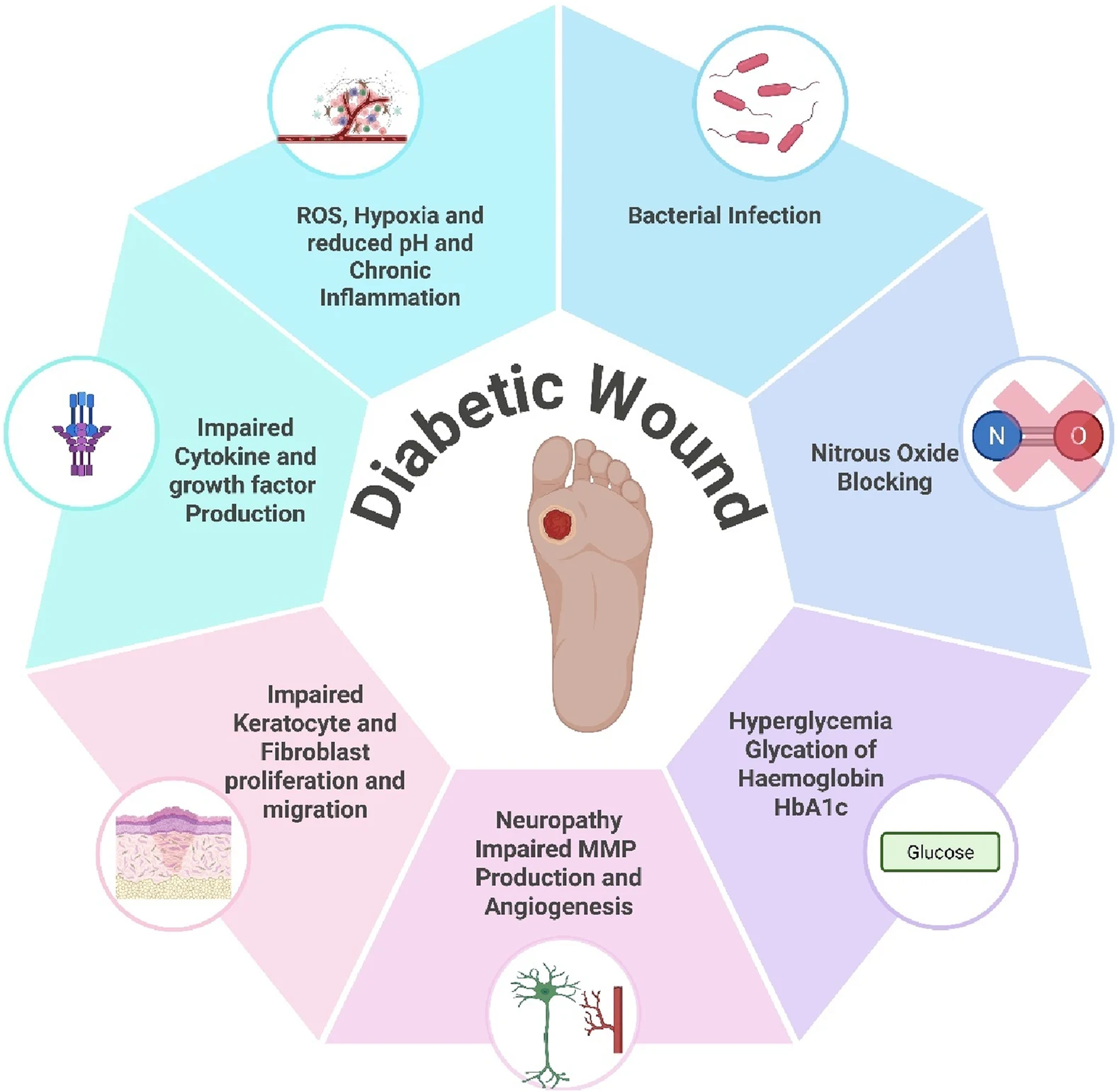
Elevated blood sugar levels can narrow blood vessels, impairing blood circulation and restricting oxygen and nutrients from reaching the wound. Diabetes also weakens the immune system's ability to fight off infections.
Off-loading means removing mechanical pressure from the wound site, usually on the bottom of the foot. By using custom boots or casts, it prevents friction and further tissue damage, allowing the ulcer to heal.
Diabetic neuropathy reduces or eliminates sensation in the feet. As a result, a patient might walk on a blister, cut, or foreign object without feeling pain, causing a minor injury to quickly turn into a deep, dangerous ulcer.